Menu
Building Concrete Retaining Walls in South Jordan
Concrete Retaining Wall South Jordan
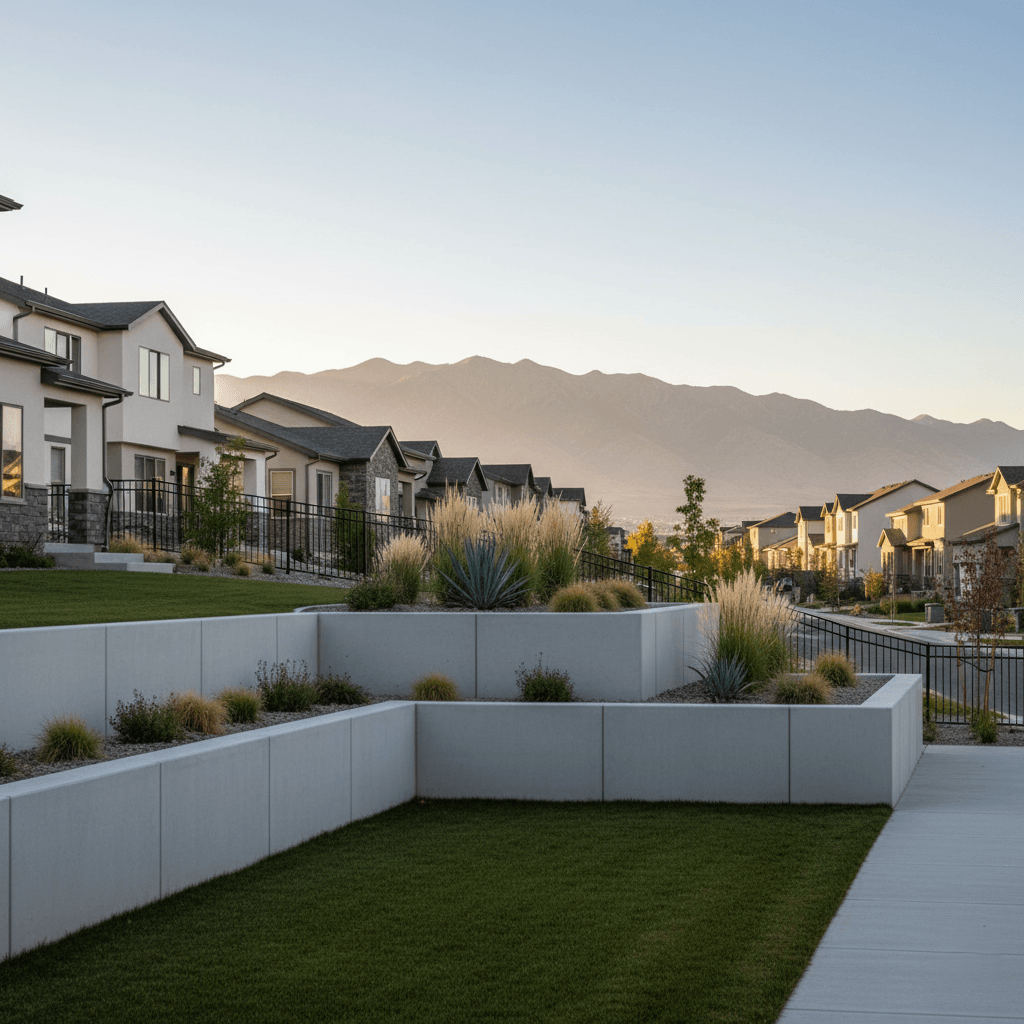
Concrete retaining walls can be a very important part of your property in South Jordan, helping to prevent soil from sliding down the hillside and also creating a beautiful multi-tiered landscape. When installed professionally, concrete retaining walls are designed to meet all applicable city or county building codes and will last for many years. We specialize in designing and installing unique retaining walls that meet the needs of our clients, whether they need a functional solution to their slope problems or an aesthetically pleasing addition to their property. Each retaining wall is developed on a site-specific basis with thorough soil analysis and with a complete plan for drainage. When you hire us to build your new concrete retaining wall, you can rest assured that it will provide you with years of trouble-free service.
Understanding South Jordan’s Building Requirements
A building permit is needed for any wall over 6 feet high within the city of South Jordan. The city of South Jordan also follows the 2021 IRC (International Residential Code) standards as it relates to frost depth, which requires at least 30 inches from the bottom of the footing to the finished grade. For walls greater than 4 feet in height and/or those that will support surcharge loads, you will need professional engineering. To obtain a building permit for a retaining wall project, you will need to submit a detailed plan of the project, an elevation drawing of the wall, and a survey of the site. Once the city has received your plans and surveys, city inspectors will review the structural calculations and the drainage specifications prior to issuing a permit. Having a complete set of plans and specifications will prevent delays and ensure that your project meets all applicable safety requirements.
Design and Materials
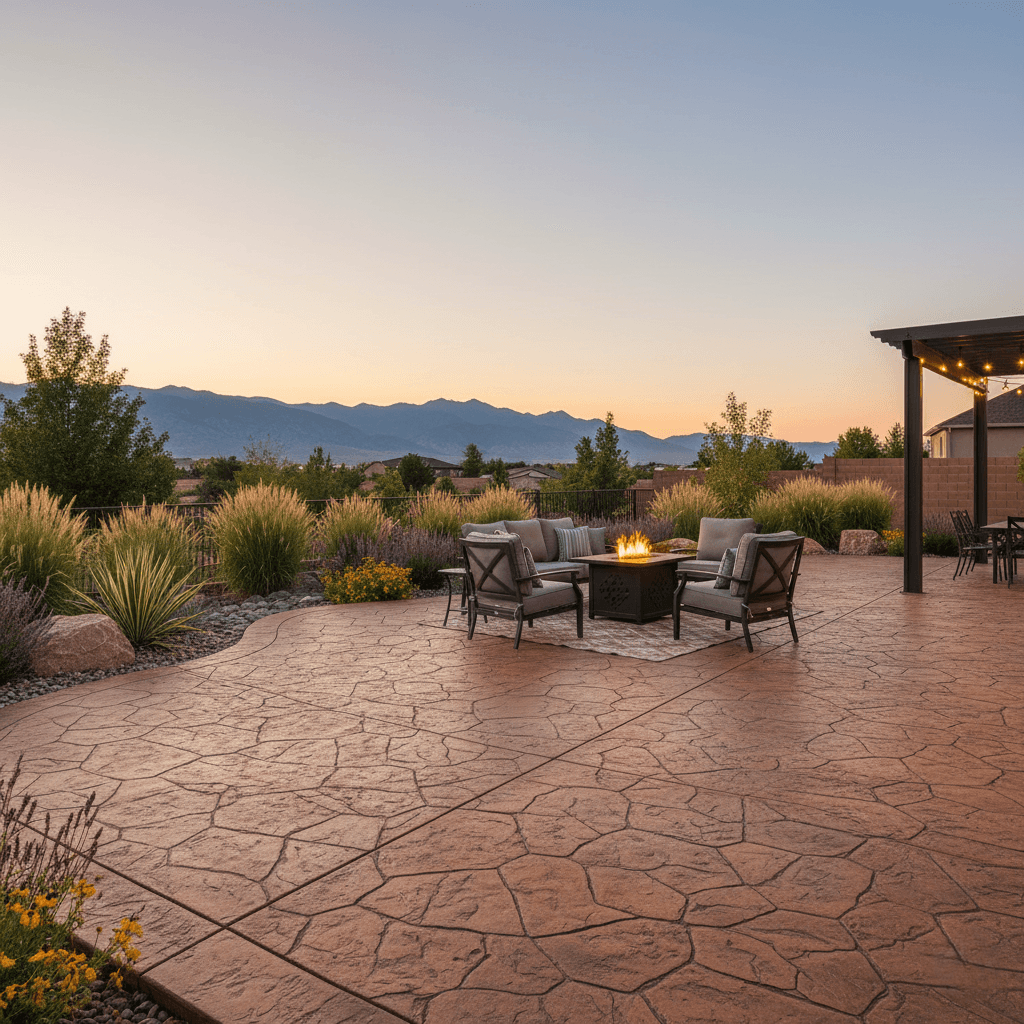
Cast concrete is far more durable than segmental block systems in Utah’s climate conditions. Reinforced designs involve the placement of steel rebar per the engineer’s specifications. Wall thickness can vary depending upon the size of the structure, but generally ranges from 8 inches for small structures to 12 inches for larger structures. Decorative finishes enhance the appearance of the wall while still providing the structural performance that is expected. With decorative finishes such as stamped textures, integral colors, and architectural coatings, there are many options available to homeowners for enhancing the appearance of their retaining walls while still meeting the functional requirements of the wall. Throughout the design phase of a retaining wall project, contractors weigh the importance of aesthetics versus long-term maintenance needs.
Foundations and Drainage Systems
Foundations must be prepared correctly to prevent settling and structural failure of the retaining wall over time. When excavating for the retaining wall, the excavation should extend below the frost line so that the retaining wall will be stable through seasonal freeze-thaw cycles. A crushed stone base provides drainage while evenly distributing wall loads across the footing. French drains can be installed behind the wall to prevent hydrostatic pressure from building up during the spring runoff. Perforated pipes can be used to collect groundwater and direct flow away from the structural components of the retaining wall. Backfill materials should be properly graded gravel to allow for adequate drainage and to support the wall system.
Project Construction and Timeline
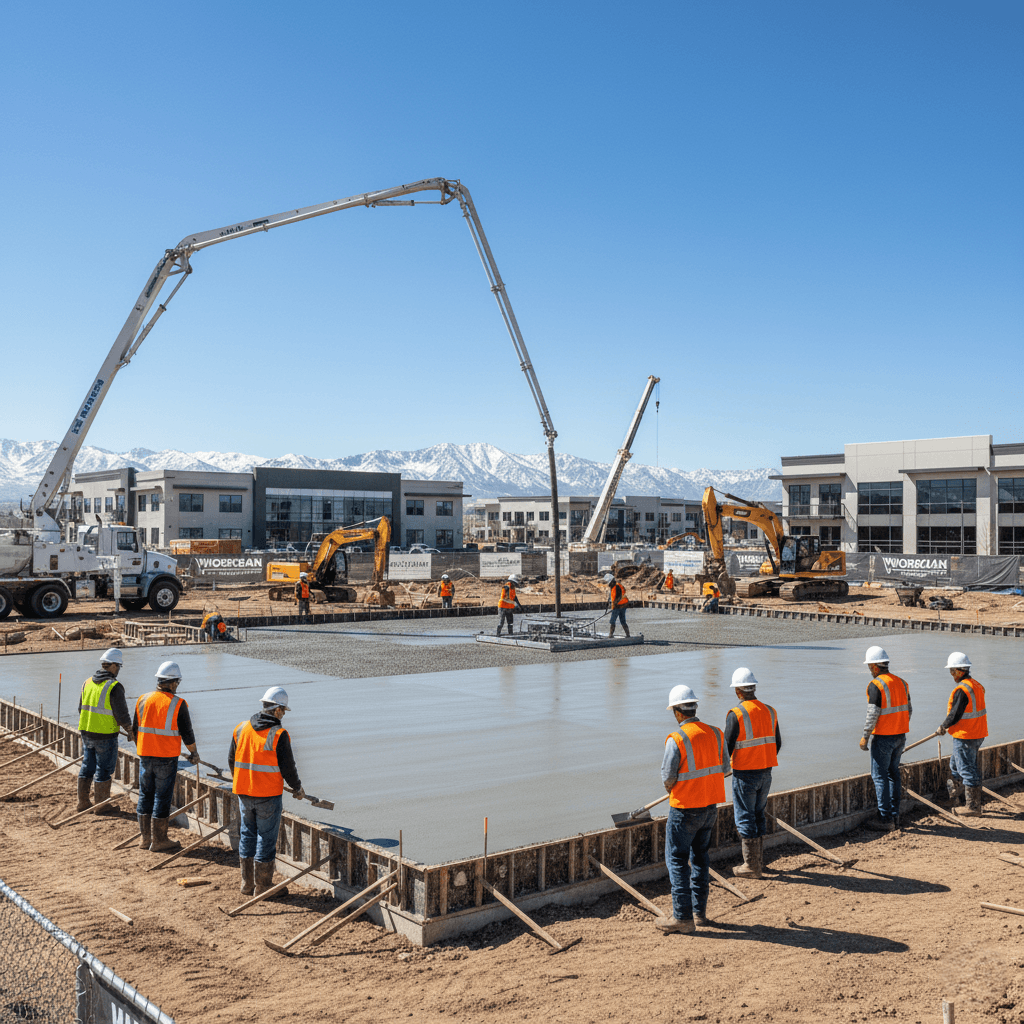
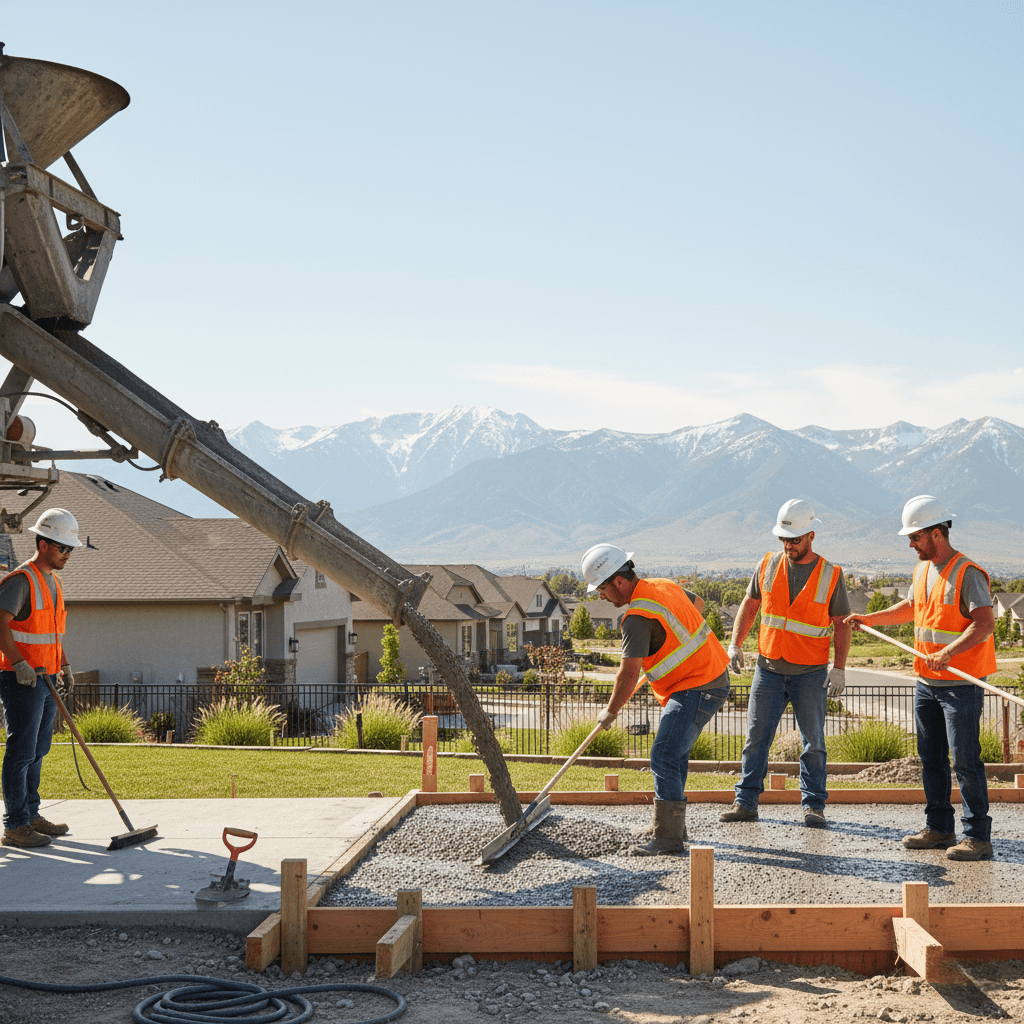
The first step in constructing a retaining wall is to prepare the site for the new wall. This includes locating underground utilities, excavating the area where the wall will sit, and preparing the base for the wall. Next, the forms are placed to create the exact shape and dimensions of the wall, as well as to provide a smooth finish. After the forms have been placed, the steel reinforcement will be added to the wall, and then the concrete will be poured. The majority of the residential retaining wall projects take anywhere from 2-5 working days to complete, depending on the size and complexity of the wall. The last step in the installation of the wall is to restore the site to its original state by completing the grading and landscaping.
Inspection and Quality Control Phases
There are several inspection phases throughout the construction of the retaining wall to ensure compliance with the local building codes. The first inspection would occur after the foundation has been inspected to ensure that it is ready for the placement of the concrete. The second inspection would occur once the steel reinforcement has been placed into the wall to ensure that it was done per the engineer’s specifications. The third and final inspection would occur once the wall has been completed and the backfill has been compacted to ensure that the drainage system is functioning properly. Providing documentation to the homeowner will provide them with warranty protection and maintenance guidelines for their retaining wall. A professional contractor will also provide follow-up services for the homeowner to monitor the structural condition of the retaining wall.
Long Term Maintenance and Performance
Annual inspections of the retaining wall will enable the homeowner to identify any potential drainage issues before they become costly problems. Applying a sealer to the concrete will protect it from moisture penetration and freeze damage. Any minor repairs to the retaining wall should be addressed promptly to prevent further deterioration of the wall. A professional assessment will determine whether structural intervention is necessary to continue to ensure the safety of the retaining wall. By performing regular maintenance on the retaining wall, the homeowner will be able to extend the life of the wall significantly and avoid costly repairs in the future.
Landscape and Decorative Enhancements
A terraced garden can be designed around a retaining wall and can be aesthetically pleasing in the Jordan River Valley. Careful consideration should be made when selecting plants based on the root system of the plant to ensure that the structural integrity of the retaining wall is maintained. Adequate irrigation should be provided to prevent water from accumulating against the wall. Decorative elements such as lighting and planters can be incorporated into the design of the retaining wall to increase the functionality and the overall value of the property. Landscape architects can assist homeowners with designing a coordinated plant installation schedule that will coincide with the wall construction schedule. Seasonal color changes can be implemented in a variety of ways to keep the area visually appealing throughout the year near the Oquirrh Lake recreational areas.
Investment Costs and Return
Material costs account for approximately 60% of the total cost of a retaining wall project. Additional costs associated with the retaining wall project include engineering requirements and permit fees. Depending on the location of the project site (e.g., near South Jordan Parkway), complex excavation work may be required. Although the initial investment in a professionally installed retaining wall project is higher than a do-it-yourself approach, the superior quality of a professionally installed retaining wall provides a better return on investment for homeowners.
Warranty coverage provides homeowners with protection from construction defects and material failures. Often, the increase in the value of a property as a result of a well-designed retaining wall system exceeds the cost of the installation. Well-designed and well-installed retaining wall systems can enhance the curb appeal of properties located in the various neighborhoods surrounding the Daybreak Community. Professional contractors will provide homeowners with a detailed estimate for the project that includes all necessary permits and inspections. There are financing options available to homeowners to help manage the cost of the project, while ensuring that the retaining wall is constructed to meet all local building standards.
South Jordan Concrete Pros specializes in designing and installing concrete retaining walls that meet all local building requirements. Our experienced staff will handle every detail of your retaining wall project from the initial design phase through the final inspection, thereby ensuring that your investment will last for years to come in the Salt Lake Valley Region.
LATEST POSTS