Menu
Concrete Pouring Do’s and Don’ts in South Jordan
Pouring Concrete South Jordan
To successfully pour concrete in South Jordan, it is important to understand and avoid some of the most common installation mistakes that can lead to a reduction in the structural integrity and longevity of the concrete. Due to Utah’s extreme temperature fluctuations and difficult soil types, successful pouring of concrete requires specialized techniques that may be overlooked by inexperienced installers. By recognizing the possible missteps and implementing effective strategies to mitigate them, experienced concrete contractors will consistently achieve optimal results. Furthermore, as a result of avoiding these mistakes, there will also be cost savings related to repairs or premature concrete failure, which can have significant negative impacts on property values. Understanding these common mistakes will enable homeowners to make an educated decision regarding the use of a professional contractor for the installation of their concrete versus attempting the job themselves.
Weather and Temperature Do’s and Don’ts
DO monitor the weather and make every effort to have your concrete poured at a time that is in the ideal temperature range of 50°F to 80°F when possible. As professional contractors, we have a schedule for pouring concrete and will take contingency measures in case of an unexpected temperature swing. DO use the right type of additive to help ensure that your concrete cures properly. Retarders are used to slow down the concrete in warm weather (above 90°F), and Accelerators are used to speed up the concrete in cool weather (below 40°F).
DO NOT attempt to pour concrete when the temperature exceeds 90°F or drops below 40°F unless you have taken some special precautions. DON’T ignore a weather forecast that shows rain, snow, or freezing temperatures in the next 48 hours from placement, as these weather conditions can cause serious problems with the strength and durability of your new concrete and may lead to a premature failure and expensive repair work.
Seasonal Considerations
DO consider the optimal spring and fall seasons for South Jordan when scheduling major concrete projects, since temperatures will be less likely to fluctuate. DO prepare and store necessary supplies such as insulation blankets and protective coverings to help mitigate potential weather-related setbacks.
DO NOT push to meet a deadline for a pour that is scheduled for an unfavorable weather condition, as there is no substitute for proper curing.
Site Preparation Do’s and Don’ts
DO properly dig your excavation to the right depth and make sure you have the right drainage for your concrete installation. Since South Jordan is a clay-based soil area, moisture management and correct compaction methods need to be implemented properly. DO create a minimum 4″ compacted gravel base unless your soil is extremely stable and well-draining.
DO NOT pour concrete directly onto loose soil, frozen ground, or an area with standing water. DO NOT skip site testing and preparation, especially in areas with known expansive clay, since doing so typically leads to settlement, cracking, and structural problems that could cost thousands of dollars to repair or replace entirely.
Concrete Mix Do’s and Don’ts
DO select a concrete strength rating appropriate for the intended use, which in most residential projects in South Jordan is typically 2,500-4,000 PSI. DO specify air entrainment in the concrete for exterior projects, as Utah experiences freeze-thaw cycles that are detrimental to un-air-entrained concrete. DO work with local suppliers who understand the local climate and regional conditions, and have developed successful mix designs.
DO NOT use generic mixes without factoring in the regional climate and specific project requirements. DO NOT add excess water to improve workability, as this will greatly reduce the concrete’s ultimate strength and increase its tendency to crack. The amount of water added to cement is directly related to the ultimate strength and durability characteristics of the finished product.
Quality Control Measures
DO receive the concrete delivery ticket with the exact mix proportion of the concrete being delivered, and ensure that the concrete arrives at your job site within one hour of batching. DO check the slump of the concrete to confirm it is properly mixed and consistent, but never let the slump go above four (4) inches to maintain maximum strength.
DO NOT accept concrete that appears to be overwatered, or has sat in a truck for too long, as either situation will adversely affect the quality and performance of the finished product.
Forming and Reinforcement Do’s and Don’ts
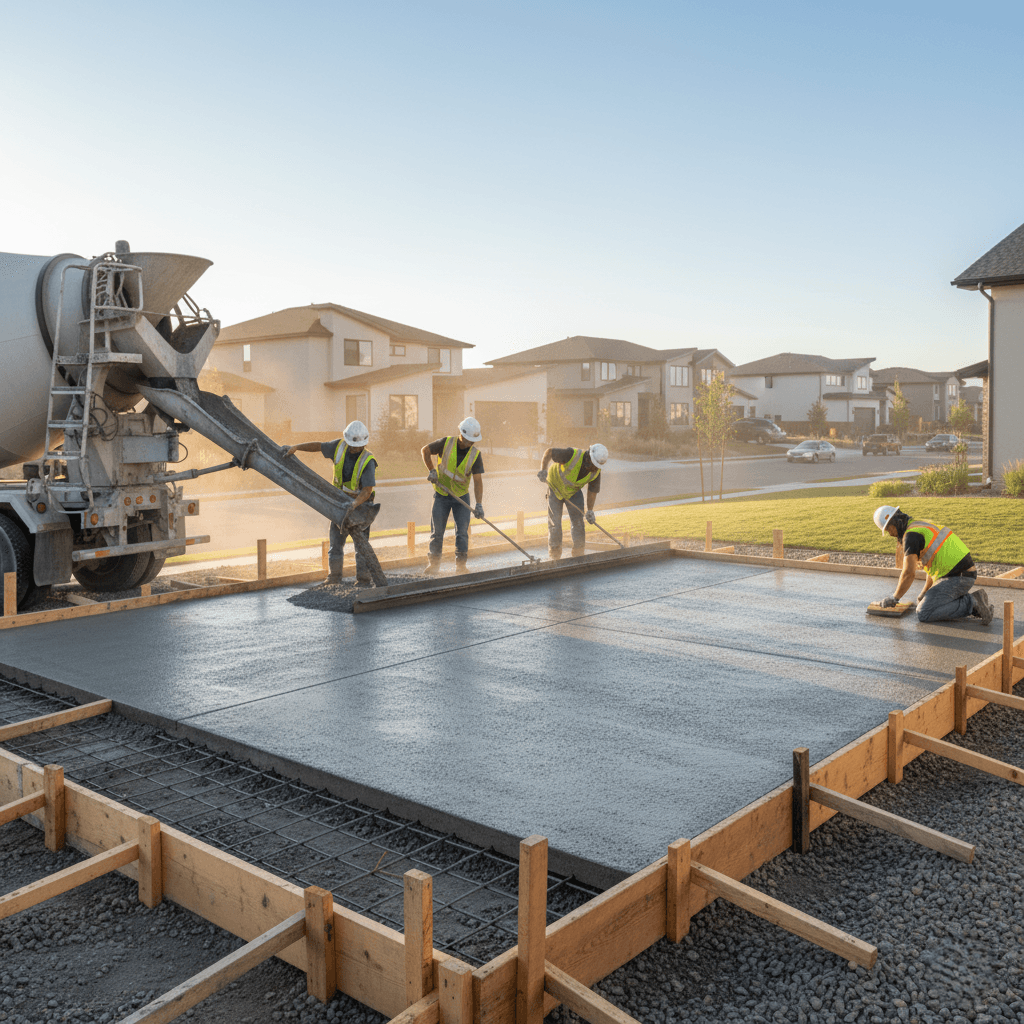
DO build the forms with quality materials and properly support the forms to withstand the pressure of the concrete during the pour. Professional contractors have the ability to accurately place the forms and maintain a perfectly straight line with the correct thickness throughout the pour. DO correctly install the reinforcement as specified by the engineer, and follow the local building code.
DO NOT use warped or damaged form materials that cannot hold the forms in place during the pour. DO NOT remove the forms before the recommended 24-48 hours, depending on the temperature conditions. If the forms are removed too soon, the edges of the concrete may become damaged, and structural weaknesses may develop.
Placement and Consolidation Do’s and Don’ts
DO pour the concrete continuously, and work efficiently to maintain a consistent flow throughout the entire project. DO properly consolidate the concrete with the aid of a vibrator or other consolidation device to remove air pockets and ensure the forms are filled with concrete. DO maintain a consistent thickness of the concrete as designed, which is usually 4-6 inches for residential projects.
DO NOT allow the concrete to sit in a wheelbarrow or pump for extended periods of time, as this can separate the ingredients and cause the concrete to begin setting. DO NOT fail to properly consolidate the concrete, as improper consolidation can lead to honeycomb, weak spots, and surface imperfections that detract from the aesthetic and structural integrity of the finished product.
Professional Placement Techniques
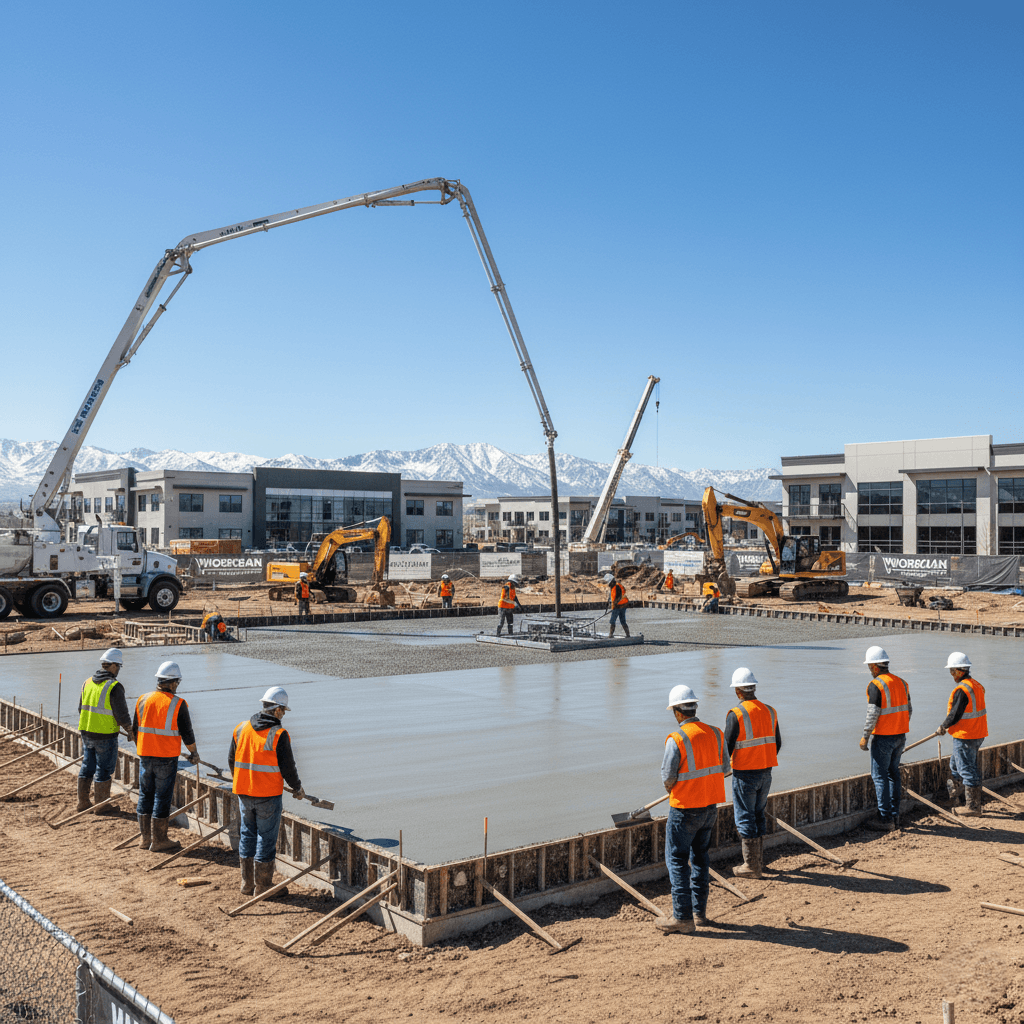
DO start placing the concrete at one corner of the pour and work your way across to avoid creating “cold joints,” and to ensure the highest level of consistency throughout the pour. DO coordinate your labor force to maintain a steady pace of work, and to continually inspect the quality of the pour as it progresses.
DO NOT attempt large pours without having a sufficient number of people and machines to complete the pour prior to the concrete setting.
Finishing Do’s and Don’ts
DO wait for the surface bleed water to dry up prior to initiating the finishing process; premature finishing can result in surface scaling and dusting. Use the correct tools in the correct order to produce the surface characteristics desired (e.g., screeds, floats, trowels). DO create control joints at the proper interval to manage shrinkage cracking.
DO NOT over-trowel the surface of the concrete, as this can bring too much paste to the surface and create a weak, dusty finish. DO NOT initiate the finishing process prior to the bleed water drying, as this will trap the water under the surface of the concrete and create problems with the long-term durability of the finished product.
Curing Do’s and Don’ts
DO establish proper curing procedures immediately following completion of the finishing process. Use a curing method that is suitable for the climate of South Jordan, and properly maintain the moisture and temperature of the concrete for the optimal strength development of the concrete during the 1st 7-28 days. DO apply curing compounds or utilize a wet cure to prevent the concrete from drying out too quickly.
DO NOT allow the concrete to dry too rapidly, especially during the hot, windy months typical of the summer season in South Jordan. DO NOT allow foot traffic or loads to be placed upon the newly poured concrete prior to attaining sufficient strength, which is typically 7 days for light traffic, and 28 days for heavy loads.
Climate Specific Curing
DO take measures to protect the concrete from extreme temperature fluctuations during the curing period, such as insulating the concrete with blankets in colder climates, nd providing shading structures in hotter climates. DO lengthen the curing period in colder climates, as strength development in these climates occurs at a slower rate than in warmer climates.
DO NOT rush the curing process, as proper hydration is necessary to attain the design strength and durability of the concrete.
Safety Do’s and Don’ts
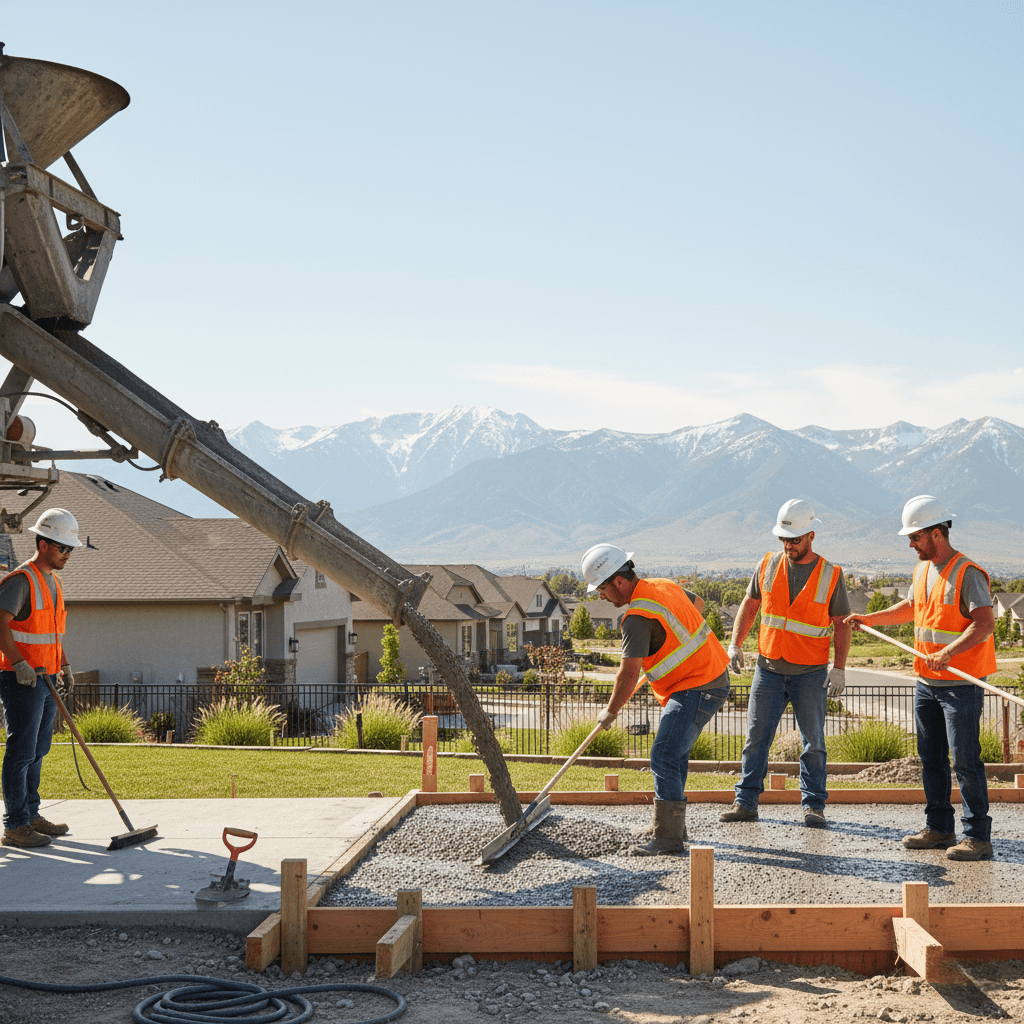
DO wear the proper personal protective equipment, including gloves, eye protection, and suitable clothing, when handling concrete; the alkaline properties of the concrete can burn the skin and irritate the eyes for prolonged exposure. DO have emergency eye wash stations available during the concrete pour.
DO NOT handle freshly poured concrete with bare hands, and DO NOT allow freshly poured concrete to come into contact with exposed skin for an extended period of time. DO NOT disregard safety guidelines for operating equipment, particularly when utilizing concrete pumps, vibrators, and other powered tools during the placement phase of the pour.
Quality Assurance Do’s and Don’ts
DO keep a record of each concrete pour, including the delivery ticket, temperature readings, and photos documenting the progress of the pour. Professional contractors have documented evidence that helps identify any issues that occurred during the pour and provides documentation for any future reference. DO perform strength tests as required by the building codes or project specifications.
DO NOT miss opportunities for inspections during the critical phases of the pour, including the installation of reinforcement, the delivery of the concrete, and the finishing phase. DO NOT continue with subsequent phases of the project until the concrete has attained sufficient strength to safely bear loads and construction traffic.
Professional vs. DIY Considerations
DO fairly evaluate the complexity of your project and the extent of your skills as a DIYer before undertaking a DIY concrete pour. Small projects, such as walkways, may be feasible for a skilled DIYer; larger projects, such as driveways, foundations, and decorative installations, generally require the expertise of a contractor. DO seek advice from experts regarding your DIY project, regardless of whether you intend to execute the pour yourself.
DO NOT misjudge the physical demands and time constraints associated with a concrete pour; the pouring of concrete is a continuous process once the pour commences. DO NOT undertake large or complex pours without the proper number of personnel, equipment, and experience to complete the pour and properly finish it within the allotted time frame.
South Jordan Concrete Pros adheres to these fundamental dos and don’ts for each and every concrete pour we complete in the South Jordan area to consistently provide our clients with superior products through the utilization of tested techniques and local knowledge. Our staff of experienced professionals understands the unique challenges of the State of Utah and adheres to the best practices that yield lasting performance, structural integrity, and aesthetic appeal for all types of residential and commercial concrete installations.
LATEST POSTS