Menu
Innovative Concrete Repair Techniques in South Jordan
Concrete Repair South Jordan
South Jordan construction companies now have new ways of addressing structural damage in buildings with the use of modern concrete repair technology, utilizing advanced materials and advanced application techniques. These are stronger, longer-lasting, and will be installed faster than traditional repair techniques. With the increasing adoption of self-healing concrete, carbon fiber reinforced polymers, and nanomaterials by construction professionals, the industry is moving toward developing lasting solutions. In addition, South Jordan’s varied climate conditions and geotechnical conditions require that construction companies select repair methods that can accommodate the stressors of this environment. As such, understanding the advantages of these advanced concrete repair techniques enables owners of commercial properties to develop an informed strategy for selecting a concrete repair investment that will provide them with long term value and durability.
1. Self-healing Concrete Technology
Self-healing concrete is a revolutionary new form of concrete that incorporates special bacteria or encapsulated healing agents, which will heal cracks automatically once they are subjected to moisture. It uses the same biological process as self-repair; the bacteria produce limestone to fill the voids created by the cracks, thus restoring structural integrity. In addition, these healing agents lie dormant until the development of a crack occurs and an influx of water initiates the repair process. As such, this is one of the most efficient ways to extend the life of your concrete in the South Jordan area, as well as reduce the need for annual maintenance for those South Jordan property owners who experience freeze-thaw cycles and soil movement.
Applications and Benefits
The greatest potential for self-healing concrete lies in critical infrastructure such as bridges, tunnels, and foundation systems, due to the fact that these types of projects often present significant obstacles for accessing repairs. Due to its ability to double the average lifespan of concrete surfaces in the harsh environment of the Utah climate, self-healing concrete is also ideal for driveway and sidewalk repairs, as well as exterior concrete repairs that may be damaged by de-icing chemicals. According to current studies, the total cost of maintenance for self-healing concrete is estimated to be reduced by 50-70% when compared to traditional concrete systems.
2. Advanced Carbon Fiber Reinforcement
Carbon fiber reinforcement systems use the strength of carbon fibers, which are 10 times stronger than steel, yet weigh much less and resist corrosion. Carbon fibers have been used in various repair methods, including crack stitching using ReGrid’s proprietary technology to create bonds that are far greater than traditional repair methods. Carbon fiber reinforcement systems can be installed rapidly via a single saw cut that is then filled with structural epoxy, thereby minimizing labor costs while maximizing the stability of the repaired crack.
3. Ultra High-Pressure Polyurethane Injection Systems
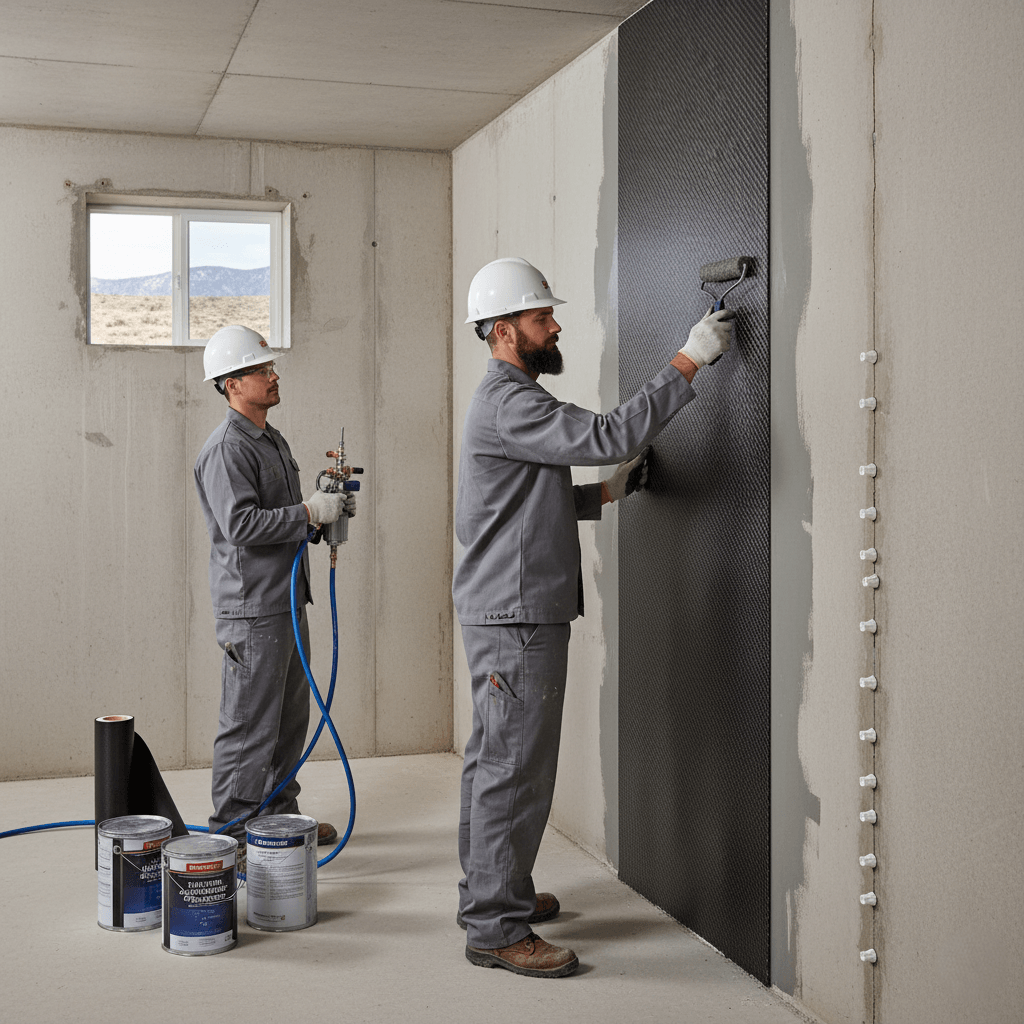
High-pressure polyurethane injection systems use ultra-low viscosity polyurethane that can penetrate hairline cracks that are as small as .002 inches in width. Upon being injected into the crack, these expanding foams expand in volume 15-30 times their original volume, ensuring complete void filling of all crack networks. Additionally, modern polyurethane injection systems function in both wet and dry conditions, making them ideal for South Jordan’s varying levels of moisture, as well as for basement waterproofing applications.
Technological Advances
Presently available polyurethane technologies have enhanced bonding characteristics, increased curing speed, and enhanced flexibility to withstand continued structural movement. Professional concrete contractors employ high-pressure injection systems with drill-in-place mechanical packers that allow for precise placement of the polyurethane into even the smallest crack networks. These systems provide the capability to effectively repair actively leaking cracks without the need for dry conditions or extended surface preparation.
4. Nanotechnology-Enhanced Materials for Repair
Nano-technology is being applied in the field of concrete repair using nanoparticles that improve bond strength, reduce permeability, and improve overall performance characteristics of the repair materials. These microscopic particles fill voids at the molecular level, resulting in a denser and more durable repair zone. Nano-enhanced epoxies and sealers provide superior protection from environmental degradation and chemical exposure that is typical of Utah’s harsh environmental conditions.
5. 3D Printing Applications for Concrete Repair
Newly emerging 3D printing technologies enable the creation of custom repair components and complex geometries that were previously unattainable with traditional repair methods. Specialized concrete printing materials enable the on-site fabrication of repair components that are specifically designed to meet the structural demands of each individual project. These technologies minimize waste, accelerate construction schedules, and provide innovative solutions for the numerous architectural complexities found in South Jordan’s varied building inventory.
6. Smart Monitoring and Diagnostic Systems
Innovative concrete repair incorporates smart monitoring technologies that continuously monitor the performance of the structure and predict when maintenance is necessary. Sensors embedded within the concrete monitor stresses, moisture, and movement patterns to alert the contractor to the onset of developing problems. These systems enable proactive maintenance scheduling to prevent minor issues from becoming major structural concerns, especially useful for South Jordan’s expansive clay soils.
Real-time Assessment Capabilities
Diagnostic equipment has advanced to include ground penetrating radar, ultrasonic testing, and thermal imaging that can detect hidden damage patterns without damaging the concrete. Non-destructive assessment methods enable contractors to develop targeted repair plans that address the root cause of the problem, rather than simply treating the surface symptom. Real-time monitoring capabilities help optimize the timing and materials needed for maximum efficiency.
7. Ultra High Performance Concrete (UHPC)
UHPC repair applications utilize advanced formulations that contain steel fibers and supplementary cementitious materials to achieve extraordinary strength and durability. These materials provide exceptional resistance to freeze-thaw damage, chemical exposure, and abrasion, while maintaining workability to perform precise repairs. UHPC is ideal for high-stress repair applications such as bridge repair and industrial flooring, where traditional concrete fails.
8. Biodegradable and Sustainable Repair Materials
Increasingly, repair techniques are employing bio-degradable and recycled materials to minimize the environmental impacts of repair while continuing to maintain performance standards. Bio-degradable repair materials include fly-ash concrete, recycled aggregate systems, and bio-concrete formulations that capture carbon dioxide emissions during curing. South Jordan contractors can now offer environmentally friendly repair solutions that meet today’s sustainability objectives.
Robotics and Automated Applicator Systems
Advanced applicator systems employ robotics and automation to consistently apply high-quality repairs in difficult environments. Drone-based spray systems enable repairs in remote and hard-to-reach locations while providing precision and safety. Robotics and automation reduce labor requirements and improve quality control, especially beneficial for large-scale projects or hazardous repair environments.
Flexible and Bendable Concrete Technologies
Engineered Cementitious Composites (ECC) produce flexible concrete with a highly developed ductility that will tolerate structural movement without cracking. ECC can deform 300-500 times more than traditional concrete before failure, making it an ideal candidate for seismic areas and structures subject to thermal cycling. Flexible concrete is ideal for overlay repairs and critical infrastructure where crack prevention is essential.
Advanced Surface Treatments and Coatings
Modern protective coatings incorporate nanotechnology, polyurea systems, and multiple-layer applications that provide comprehensive protection from environmental damage. Advanced surface treatments and coatings provide superior adhesion, chemical resistance, and durability as compared to traditional sealants. Professional coating applications can extend the lifespan of concrete surfaces up to 200-300% while maintaining appearance and functionality.
Integration with Building Information Modeling (BIM)
Repair projects are increasingly utilizing BIM technology to facilitate the design, visualization, and execution of complex restoration work. BIM provides digital models that permit accurate material quantification, scheduling optimization, and quality control during the repair process. BIM technology is especially beneficial for historic preservation projects and complex structural repairs that require precise coordination.
Quality Assurance and Performance Monitoring
Advanced concrete repair techniques integrate comprehensive quality assurance protocols, including real-time testing, performance monitoring, and long-term assessment programs. State-of-the-art testing equipment provides immediate feedback regarding repair effectiveness, curing status, and structural performance. Quality assurance protocols provide proof of repair longevity and documentation for warranty protection and future maintenance planning.
At South Jordan Concrete Pros, we continually seek to advance our knowledge of new and innovative concrete repair technologies, and as such, we utilize the latest materials and advanced application methods to provide the best possible results for our customers located in the South Jordan area. Our commitment to continuous innovation and technology adoption provides the confidence that your concrete repair projects will benefit from the latest advancements in the industry and provide superior durability, performance, and value for years to come.
LATEST POSTS