Menu
How to Maintain Decorative Concrete in South Jordan
Decorative Concrete South Jordan
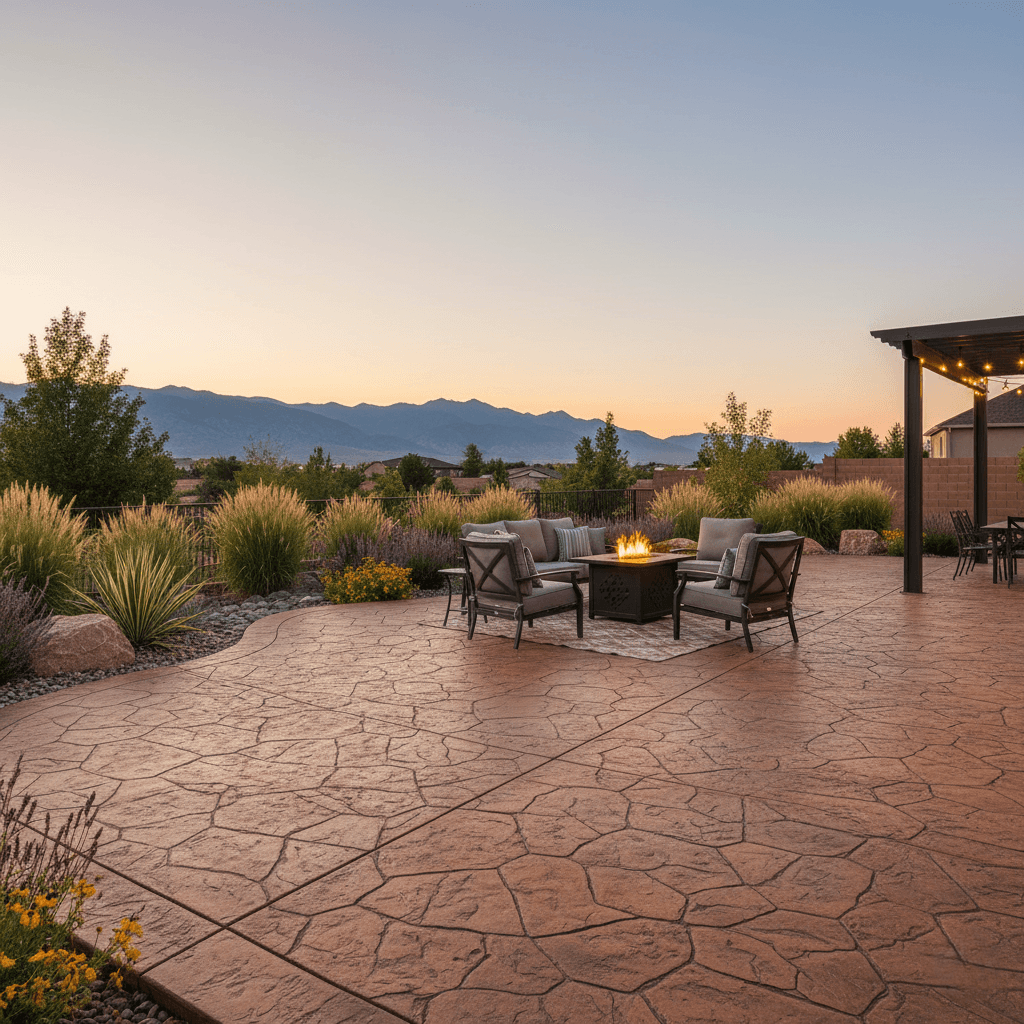
Decorative concrete adds style to homes in South Jordan by providing unique color, texture, and pattern options that require maintenance to maintain quality and durability. The regular maintenance of decorative concrete will help prevent the cost of repairs while maintaining a visually appealing surface through South Jordan’s extreme weather conditions. Properly scheduled professional maintenance is designed to optimize performance and provide warranty coverage for your investment. By understanding the seasonal needs of your surfaces, you can protect them from potential winter damage and summer UV exposure. Smart maintenance techniques will allow the decorative finishes on your surfaces to last longer than the average decorative finish installed on standard concrete.
Essential Cleaning Procedures
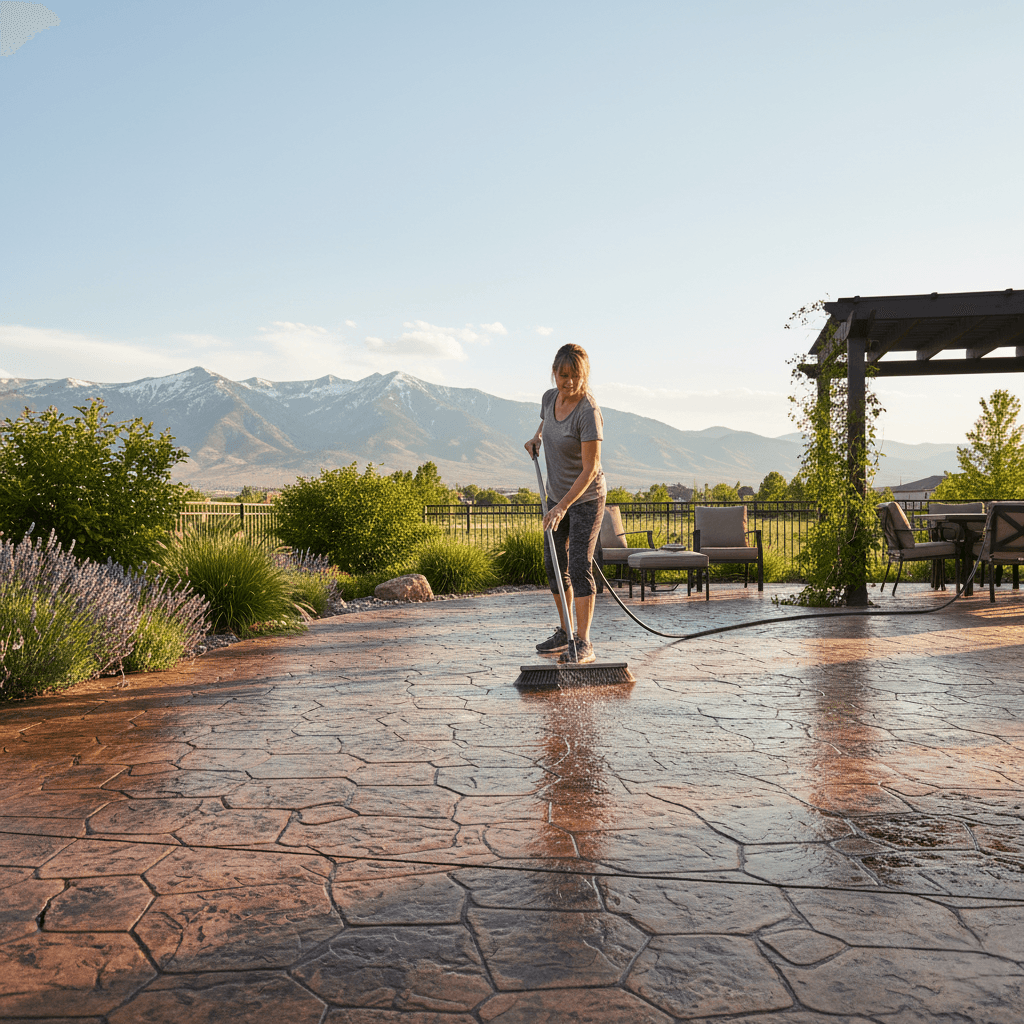
Decorative concrete surfaces are subject to varying environmental conditions as well as daily usage, and these factors contribute to their deterioration over time. The primary method for preserving the beauty and structural integrity of decorative concrete is regular cleaning. Sweep decorative surfaces at least weekly to eliminate debris that can eventually scratch and stain the finish. Wash decorative surfaces monthly with a mild detergent solution to remove all dirt and grime, and to maintain the effectiveness of applied sealers. Clean up spills immediately to prevent permanent staining and surface damage from oils, chemicals, and acids. Do not wipe spills but instead blot them, and do not spread contaminants across the textured surface of decorative concrete. Utilize cleaners specifically developed for decorative concrete to protect the colors and sealers in these surfaces.
Cleaning Equipment and Techniques Suitable for Decorative Concrete
Use low-pressure washes to clean decorative surfaces without damaging the stamped patterns and colored finishes of these surfaces. Garden hoses equipped with spray attachments are suitable for general-purpose cleaning and will apply enough pressure to remove tough stains. However, high-pressure washes can strip away applied sealers and irreparably damage the texture of decorative surfaces. Bristle brushes made of soft bristles are suitable for cleaning textured decorative surfaces because they will not damage the surface treatment. Microfiber mops are ideal for collecting fine dust and small particulate matter from smooth decorative surfaces. Steam cleaning equipment provides deep cleaning capability to heavily soiled areas and is best utilized by experienced professionals.
Requirements for Protective Sealers and Schedules for Re-Sealing Decorative Concrete
The frequency of re-sealing decorative concrete varies based on the type of surface, traffic level, and the environmental conditions in which it is located within the South Jordan area. Typically, stamped concrete must be re-sealed approximately every two to three years to maintain its optimal protective and aesthetically pleasing qualities. High-traffic decorative surfaces (such as driveway surfaces) may require more frequent attention than lower-traffic decorative surfaces (such as patio surfaces). Quality sealers protect decorative concrete from UV-fade, moisture penetration, and chemical degradation that occur due to Utah’s climate. Generally, acrylic sealers are the most popular choice for residential decorative concrete surfaces because they enhance color and provide excellent surface protection. Additionally, penetrating sealers are an option for those who want long-term protection for their decorative concrete surfaces and will not alter the surface appearance.
Considerations for Spring and Fall Sealing Applications
Spring sealing applications allow for thorough cleaning and preparation of the surface prior to applying a new sealer after completing any necessary winter damage assessments and repairs. Optimal temperature ranges for curing and adhesion of sealers are generally between 50°F and 80°F. It is recommended to delay sealing until high-humidity or wet weather has passed. Similarly, fall sealing applications prepare decorative surfaces for the harsh winter conditions that occur throughout Utah. Pre-winter treatments also prevent freeze-thaw damage and salt contamination that can permanently degrade colors and textures. A professional assessment will determine what type of sealer(s) to utilize, as well as how frequently to apply sealers to the specific surface(s).
Protection Strategies for the Utah Climate
South Jordan’s mountain desert climate poses a number of challenges for maintaining decorative concrete surfaces during the winter months. Specifically, freeze-thaw cycles can cause unsealed surfaces to crack and damage decorative elements. Effective drainage systems will prevent water accumulation and subsequent ice formation in vulnerable areas. Salt and ice-melting chemicals commonly used to de-ice South Jordan’s roads can permanently damage decorative finishes and discolor them. Sand can be used as a safer alternative to salt to improve traction without chemically damaging sealed surfaces. Additionally, there are specialized de-icing products available that are designed specifically for decorative concrete, and may be required if traditional methods prove ineffective.
Heat and UV Protection During Summer Months
UV radiation associated with Utah’s high altitude can cause color fade and sealer degradation over time. Sealers that are UV stable will maintain color integrity and surface protection during the summer months with intense UV exposure. Lighter-colored surfaces will also reflect heat better and remain cooler underfoot. Regular shading assessments will help identify areas where additional protection from direct sunlight is needed. Strategically placed awnings, pergolas, and landscaping can both protect against UV degradation and improve outdoor living comfort. Professional UV protection treatments can also extend the color life of decorative concrete surfaces in high-exposure areas.
Prevention and Repair of Cracks
Cracks in concrete are natural occurrences that occur as a result of settling, temperature fluctuations, and typical wear patterns. Addressing minor cracking issues early-on will prevent them from developing into costly structural problems requiring extensive repairs. There are flexible sealants available specifically designed for decorative concrete that maintain the visual appeal of the surface while preventing moisture from entering the cracked concrete. Professionals will assess the decorative surface to determine if localized repairs or full refinishing is the most effective and cost-efficient method to address the cracking issue. Maintaining a preventive maintenance schedule will help prevent similar issues from occurring again in the future by improving the way you maintain the decorative surface.
Maintenance of Joints and Caulking
Control joints must be regularly inspected and maintained to prevent water from entering the joints and causing structural damage. The sealants used in control joints must be able to expand and contract with temperature fluctuations while continuing to function as a waterproof barrier. The replacement schedules for sealants in control joints depend on the quality of the sealant and the environmental conditions in which the surface is located. Typically, replacement schedules will vary from three to eight years. Color-matched caulks will continue to provide the same aesthetic appeal as the original decorative surface while protecting the surface from damage caused by water intrusion. Only professionals should apply joint sealing systems to ensure the correct adhesive properties and longevity.
Traffic Management and Load Limitations
Excessive traffic and concentrated loads can damage decorative surfaces that were not intended for such applications. Furniture pads and decorative mats will help to distribute loads evenly across the stamped pattern and colored surfaces of decorative concrete. Strategically placing these pads and mats will prevent concentrated loads from creating permanent impressions or surface damage. When arranging furniture seasonally, take into consideration thermal expansion and contraction cycles that will impact the performance of decorative concrete. Regularly moving furniture will prevent concentrated wear patterns and uneven surface aging. A professional assessment will help to determine the maximum allowable load for each decorative installation.
Best Practices for Snow Removal
Utilizing plastic snow shovels when removing snow will prevent scratching and gouging decorative surfaces in South Jordan. Metal snow shovels can permanently damage the stamped texture and colored finishes of decorative surfaces, requiring costly repairs. Hiring a professional snow removal company is recommended, as they have experience working with decorative concrete and will utilize the correct equipment. Timing is also important when removing snow to prevent ice from forming and making removal more difficult and damaging to decorative elements. Removing snow as soon as possible will minimize the risk of damage to decorative surfaces and make removal easier. Strategically placing snow piles will prevent concentrated meltwater accumulation around vulnerable areas.
Professional Maintenance Services
Regular professional inspections will help identify maintenance needs and potential problems before they become costly repairs. Technicians with experience working with decorative concrete surfaces will be able to identify potential problems that homeowners may not notice while utilizing the surface. Professional inspections will include evaluating the drainage system, assessing the condition of the joints, and evaluating the performance of any applied sealers. Specialized cleaning services will be able to remove tough stains and restore the appearance of decorative surfaces using professional-grade equipment and products. Preparation for deep cleaning will ensure optimal adhesion and longevity of sealers during reapplication processes. Professional services often include warranties and continued maintenance support.
Cost-Effective Maintenance Programs
Preventive maintenance contracts will spread the costs associated with maintaining decorative concrete surfaces over time and will provide consistent care for decorative concrete investments. Regular scheduled service will help to prevent emergency repairs and will help to maintain the optimal surface conditions for decorative concrete surfaces throughout the homeowner’s tenure. Professional programs will often include adjusting to seasonal changes and providing protection from weather-related events. Homeowners should plan budgets for decorative concrete maintenance to include annual sealing, periodic deep cleaning, and reserve funds for minor repairs. Professional guidance will assist homeowners in establishing reasonable maintenance schedules that balance cost considerations with performance requirements. Long-term care programs can often save homeowners money compared to reactive repair approaches.
Troubleshooting Common Problems
Fading of colors is typically the result of inadequate UV protection or failing sealers and will require professional restoration services. Staining of decorative surfaces may be indicative of failing sealers and allows for contaminants to penetrate the porous concrete substrate. Early detection and correction of staining will prevent permanent damage to decorative surfaces and greatly reduce the cost of restorative services. Loss of texture in stamped areas is usually indicative of excessive wear or improper maintenance techniques and may require surface rehabilitation. A professional assessment will determine if localized repairs or full refinishing is the most cost-effective method to resolve the issues. Improper maintenance techniques can be avoided by taking preventative actions to address any problems that arise.
Maintenance Services for Decorative Concrete in the South Jordan Area
South Jordan Concrete Pros provides comprehensive maintenance services for decorative concrete surfaces that will keep them looking beautiful while protecting your investment throughout Utah’s extreme climate conditions. Our experienced staff provides professional cleaning, sealing, and repair services specifically tailored to decorative concrete surfaces in the South Jordan area.
LATEST POSTS